
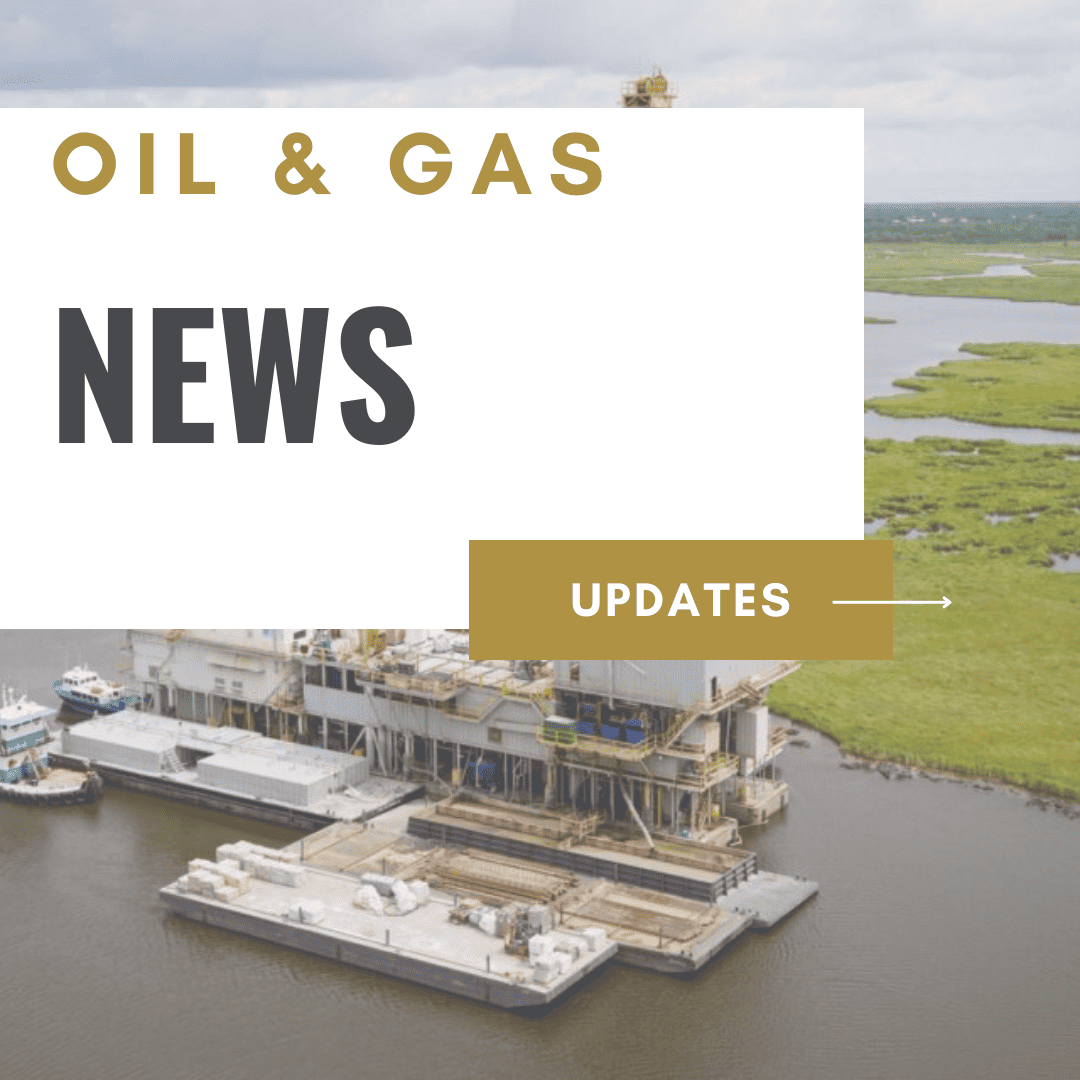
In a twist of economic trends, U.S. oil is projected to experience a period of increasing price pressure, potentially signaling a new phase of growth for the industry. Conversely, U.S. natural gas, known for its volatility, appears to be on the return path towards a state of limbo. This divergence between the two energy giants paints an intriguing portrait of the evolving dynamics within the U.S. energy markets.
1. U.S. oil prices are expected to increase, potentially signaling a new growth phase for the industry.
2. The U.S. natural gas industry, known for its volatility, appears to be returning to a state of unpredictability.
3. Despite both being energy giants, U.S. oil and natural gas are showing divergent trends, indicative of the changing dynamics within the U.S. energy markets.
4. After a period of price instability, natural gas prices are now fluctuating wildly, juxtaposing the situation in the oil industry.
5. Factors such as inconsistent demand and supply patterns and unusual weather conditions are contributing to the unpredictability of natural gas prices, making the forecasts by energy analysts less reliable.
As of 2021, the U.S. Energy Information Administration projects that Brent crude oil prices will average $62 per barrel in 2022, up from $41 per barrel in 2020, while U.S. natural gas prices are forecasted to average $3.13 per million British thermal units in 2022, down from $3.24 in 2021.
On the contrary, U.S. natural gas seems to be under a different set of circumstances. After a period of price instability, it is currently back in a somewhat unpredictable phase. This means the prices for this energy resource are swinging wildly, presenting a contrasting scenario to that of the oil industry. Factors like an inconsistent demand and supply patterns and unusual weather conditions are adding to this volatility in natural gas prices, rendering the forecasting models of energy analysts less reliable.