
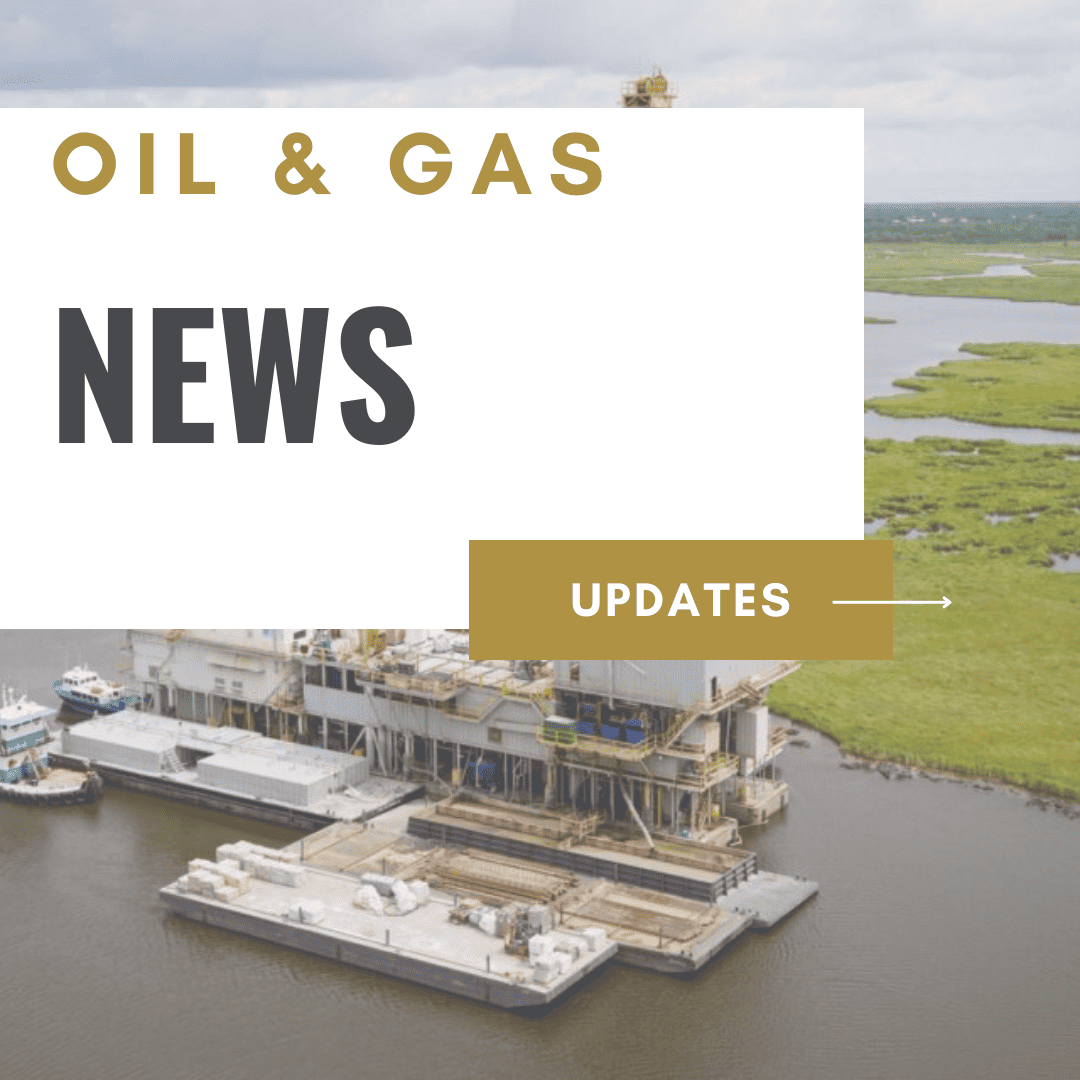
The intrinsic risks associated with Saudi Arabia and Aramco notably extend to other countries and their respective oil-producing companies. The global petroleum industry, brimming with myriad challenges and opportunities, is certainly not for the faint-hearted. As we examine the intricate nuances of this high-stakes field, it becomes particularly interesting to explore how these risks manifest in different parts of the world, and how each country's unique geopolitical and economic circumstances influence their response.
1. The inherent risks associated with Saudi Arabia and Aramco extend to other countries and their oil-producing companies, influenced by unique geopolitical and economic circumstances.
2. The global petroleum industry is filled with numerous challenges and opportunities that require strong strategies to navigate.
3. Countries like Russia, United States, or even Iran, adopt different strategies to mitigate the risks in the oil industry, which can provide crucial lessons for others in the sector.
4. Oil companies like Exxon Mobil, Chevron, and BP are constantly evolving their practices to cope with the inherent risks and uncertainties in oil production.
5. Observing the behaviors, adaptations, and decisions of these entities can offer valuable insights and foster a more collaborative and resilient oil industry, shaping the future of global oil trading.
In 2020, the global petroleum industry saw a steep decline in production by 6.6%, largely due to the Covid-19 pandemic, according to the OPEC Annual Statistical Bulletin 2021.
Observe how these challenges are addressed and navigated around the globe. The strategies that countries like Russia, United States, or even Iran, adopt to mitigate these risks could provide crucial learning opportunities for others in the industry. Similarly, companies like Exxon Mobil, Chevron, and BP, which are also invested heavily in oil production, are constantly evolving their practices to cope with these inherent risks and uncertainties. Observing these strategies may not only offer valuable insights but also foster a more collaborative and resilient oil industry. Therefore, the behaviors, adaptations, and decisions of these entities will significantly shape the future of global oil trading.