
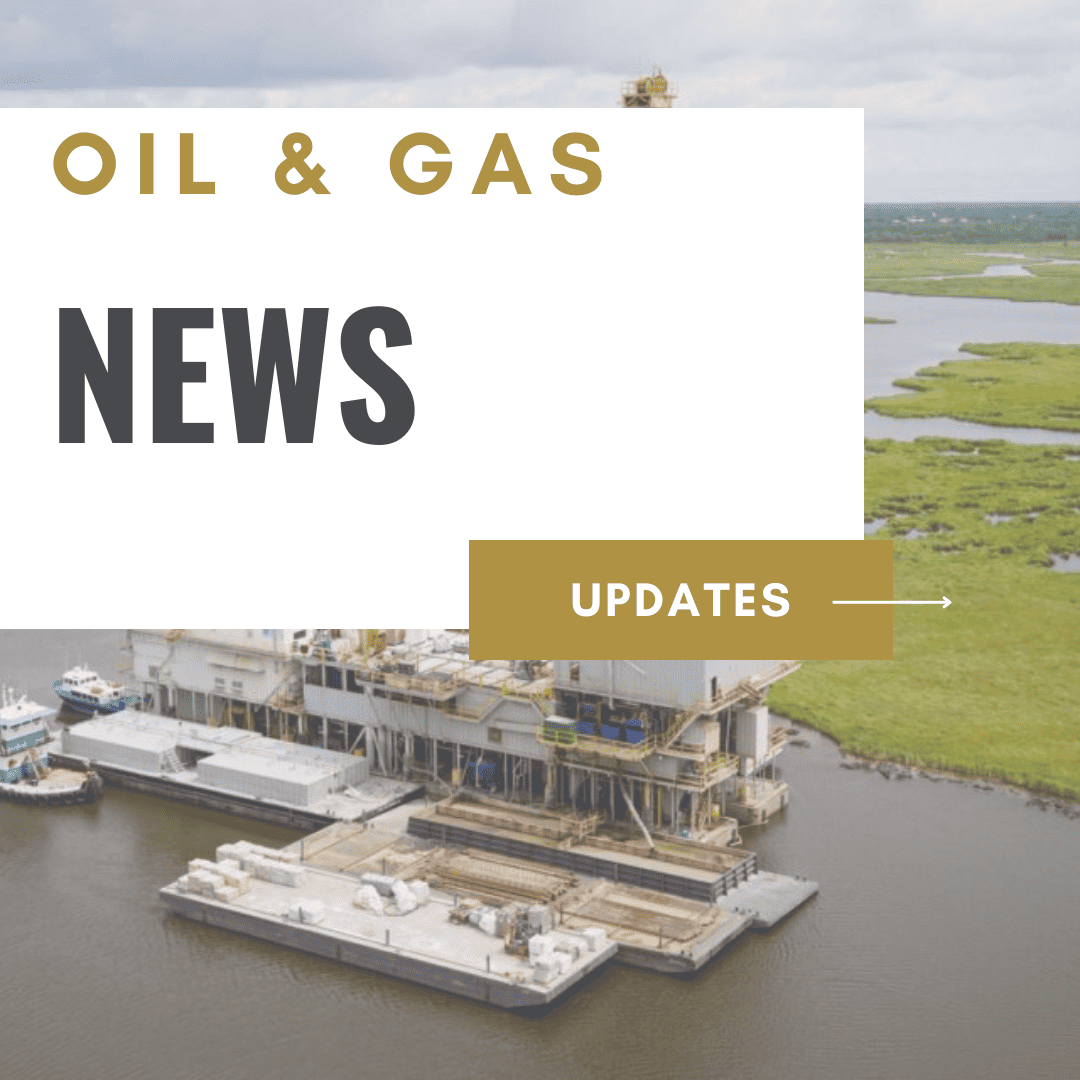
The oil industry in the United States is facing a unique problem - excess capacity in the form of unused leases and permits. Despite high demand, oil companies are holding on to these resources, creating a bottleneck in the industry. This self-limitation is not only preventing new players from entering the market but also hurting the economy as a whole. So, what's causing this oversupply and what can be done about it? Let's delve deeper.
1. Excess capacity in the form of unused leases and permits is creating a bottleneck in the US oil industry.
2. Oil companies are holding onto these resources, preventing new players from entering the market.
3. The hoarding of leases and permits artificially manipulates the market to maintain high prices and protect profits.
4. This behavior stifles innovation and obstructs the transition to cleaner and more sustainable energy sources.
5. The current system prioritizes short-term gains of powerful corporations over the long-term well-being of the planet and its inhabitants.
Despite the excess capacity, the United States still imports around 9 million barrels of crude oil per day.
They hold the rights to vast expanses of land and waters that remain untapped. Despite having these resources at their disposal, oil companies are choosing to restrict production and exploration. By hoarding these leases and permits, they artificially manipulate the market to maintain high prices and protect their profits. This self-interested behavior ultimately stifles innovation and obstructs the transition to cleaner and more sustainable energy sources. The current system prioritizes the short-term gains of a few powerful corporations over the long-term well-being of our planet and its inhabitants.