
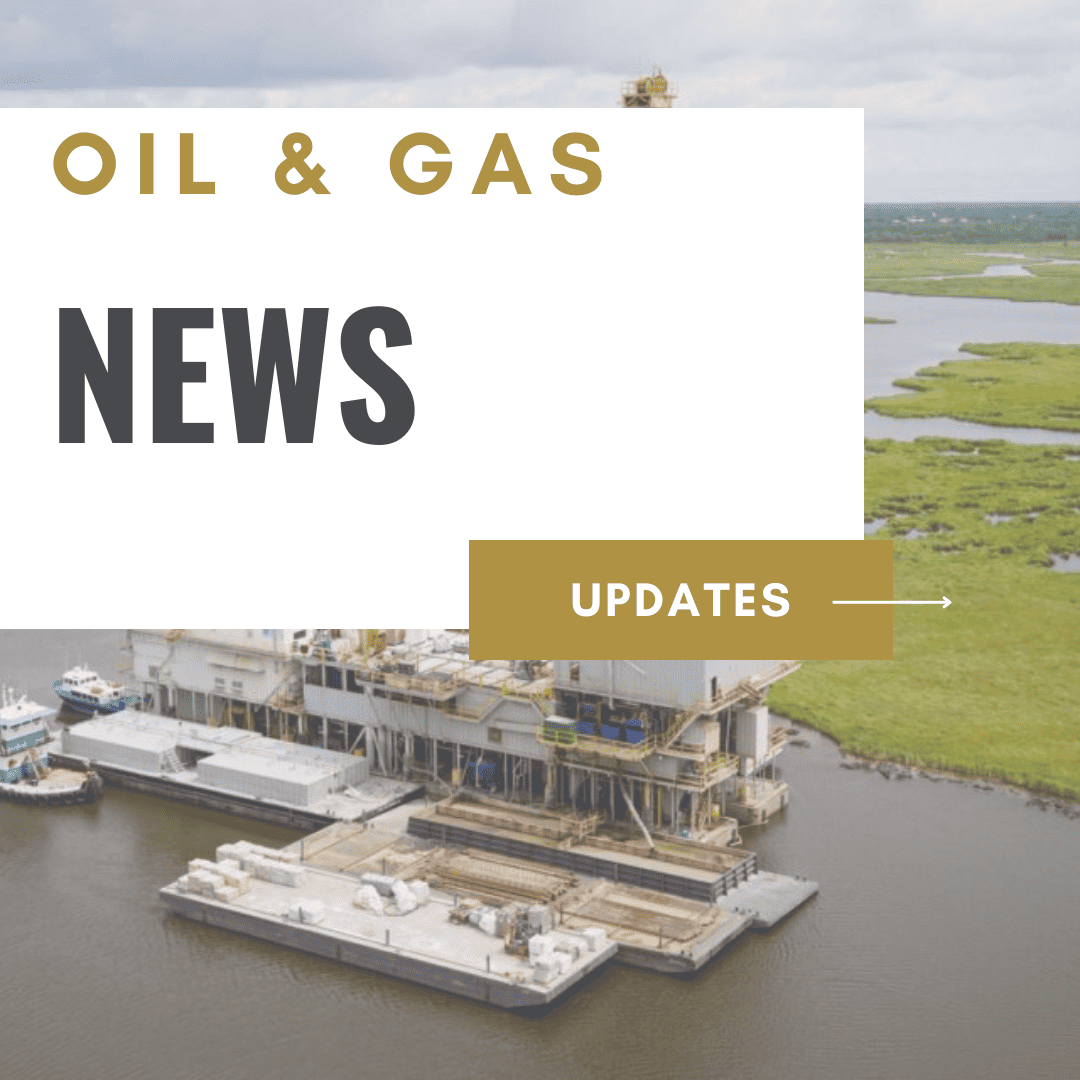
The oil and gas industry may soon face the financial burden of climate change consequences. Research initiatives are underway to estimate the potential expenditure of local officials in two states for the mitigation and adaptation measures associated with climate change damage. These costs, traditionally borne by public taxpayers, might soon be transferred onto the very industries contributing significantly to our climatic crisis - oil and gas.
1. The oil and gas industry could soon bear the financial consequences of climate change.
2. Research is being conducted to estimate the potential costs of climate change damage mitigation and adaptation in two states.
3. The enormous financial burden includes costs from restoring eroded beaches to rebuilding flood-damaged homes and roads.
4. The question is raised whether the financial responsibility should be borne solely by taxpayers or if oil and gas companies should share the expense.
5. The indication is that oil and gas companies might soon have to bear part of these costs due to their significant contribution to global carbon emissions.
In a study by the NRDC, by 2040 the U.S. oil and gas industry could face an annual cost of $21.5 billion on mitigation and adaptation to climate change consequences.
The toll climate change is expected to take on infrastructure in these two states alone is staggering. Residents and local officials are bracing for the staggering financial burden, which includes everything from restoring eroded beaches to rebuilding flood-damaged homes and roads. The question that arises is whether the financial responsibility should fall solely on the taxpayers or if oil and gas companies, reputed for their significant contribution to global carbon emissions, should also be held accountable. The latter proposition is gaining momentum, an indication that the oil and gas industry might soon have to bear part of the costs arising from the climatic changes.