
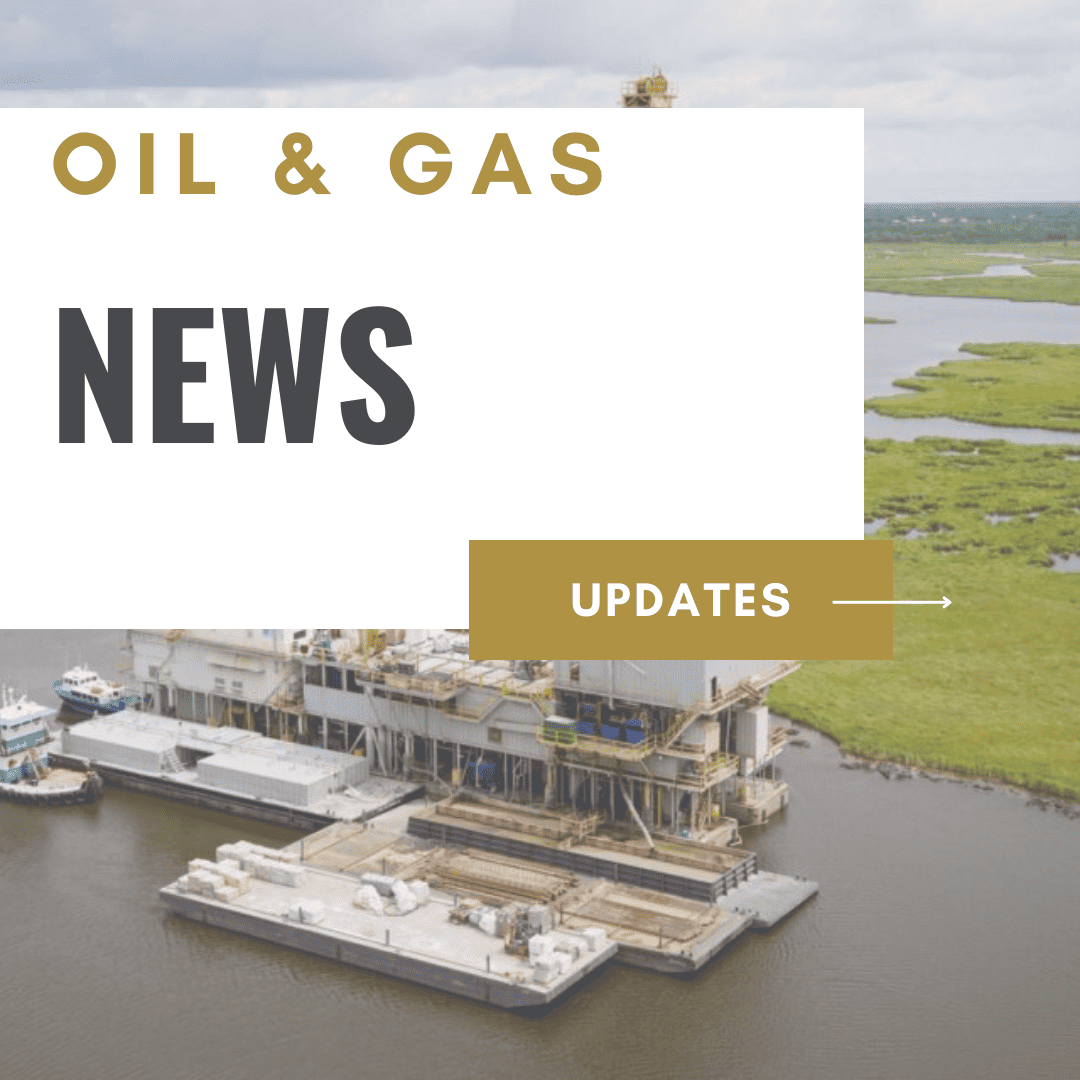
In the ongoing debate surrounding the oil industry, tensions continue to rise as parties fault opposing entities for the prevailing instabilities in the market. Critics argue that the persisting price volatility is largely due to companies relentlessly prioritizing their profits over ensuring market stability. However, those opposed to cap-and-trade policies have rebuffed these claims, insistently expressing that these companies are simply responding to the pressures and demands inherent to their operational environment.
1. There is a rising tension within the ongoing debate around the oil industry, especially relating to instabilities in the market.
2. Critics believe that persisting price volatility is predominantly due to companies prioritizing their profits over market stability.
3. Those against cap-and-trade policies refute these claims, stating that the companies are simply reacting to the existing pressures and demands of their operational environment.
4. There is a dispute over understanding the motives and operations of these companies, with some arguing they are responding to global trends, policy changes, and supply-demand dynamics rather than pursuing profits.
5. Gaining a clear understanding of this controversy necessitates an in-depth analysis of economic factors and the role of regulatory frameworks in shaping industry strategies and norms.
In 2021, oil prices fluctuated drastically, experiencing a record low of close to $18 per barrel in April and rebounding to approximately $70 per barrel in December.
The underlying dispute pivots on the interpretation of the companies' motives and operations. Critics of the cap-and-trade system argue that these companies are not the instigators but merely reacting to prevailing market conditions and economic pressures. They assert that these corporations are primarily driven by supply and demand dynamics, global trends, and policy changes, rather than an insatiable thirst for profits as the detractors suggest. Understanding this contentious battle requires a deeper analysis of the intervening economic factors and the role of regulatory frameworks in shaping business strategies and industry norms.