
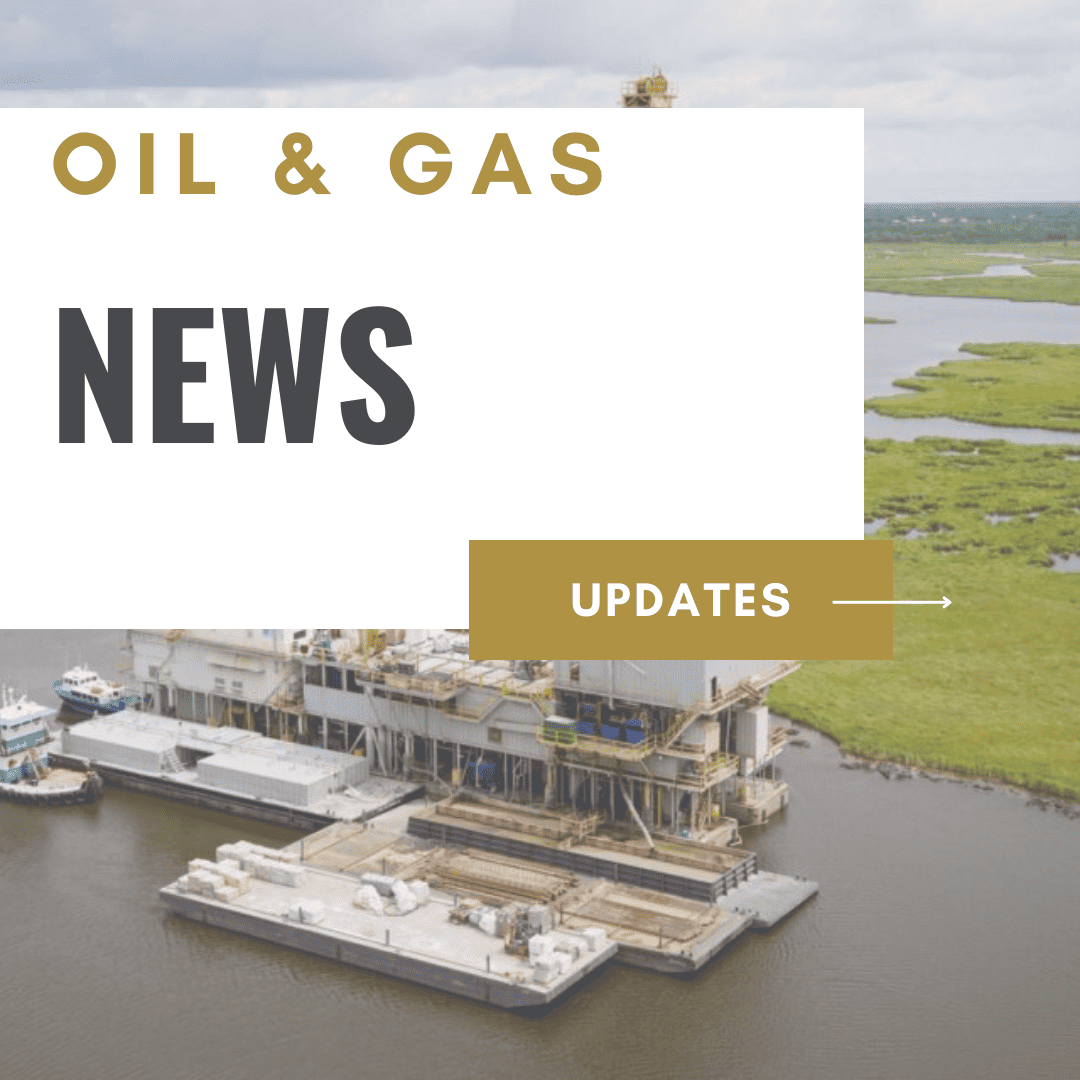
In a recent discourse over the materials associated with the oil and gas industry this week, a noteworthy point was brought up. It revolved around the idea that the selection of certain images can profoundly influence public perception, potentially making situations appear more detrimental than they actually are. The power of imagery in shaping narratives was deliberated, pointing to its significant impact on shaping the narrative around the oil and gas sector.
1. The selection of certain images can significantly affect public perception about the oil and gas industry, potentially making situations look worse than they are.
2. The power of imagery has been discussed as an influential factor in shaping narratives around the oil and gas sector.
3. Images can create a distorted view of the industry, for example, depicting all factories as environmentally harmful or oil drills as always prone to disasters.
4. Selected images often focus on negative instances rather than the numerous examples of industries operating safely and sustainably.
5. These images rarely show the complex trade-offs involved in these industries, which can make situations seem more dire than they actually are.
Around 85% of the respondents in a Public Relations Society of America survey agreed that images used in media coverage of the oil and gas industry can create a negative perception about the sector.
The pictures represent a distorted view of the situation. A snapshot of a polluting factory, for example, might lead one to believe all factories are damaging to the environment. Or worse still, a spilling oil well could suggest that oil drills are invariably disaster-prone. These images, although compelling, often fail to tell the full story. They tend to highlight the negative outliers while overshadowing the numerous examples of industries operating safely and sustainably. Moreover, they rarely delve into the complex trade-offs involved in these industries which can make things seem more dire than they truly are.