
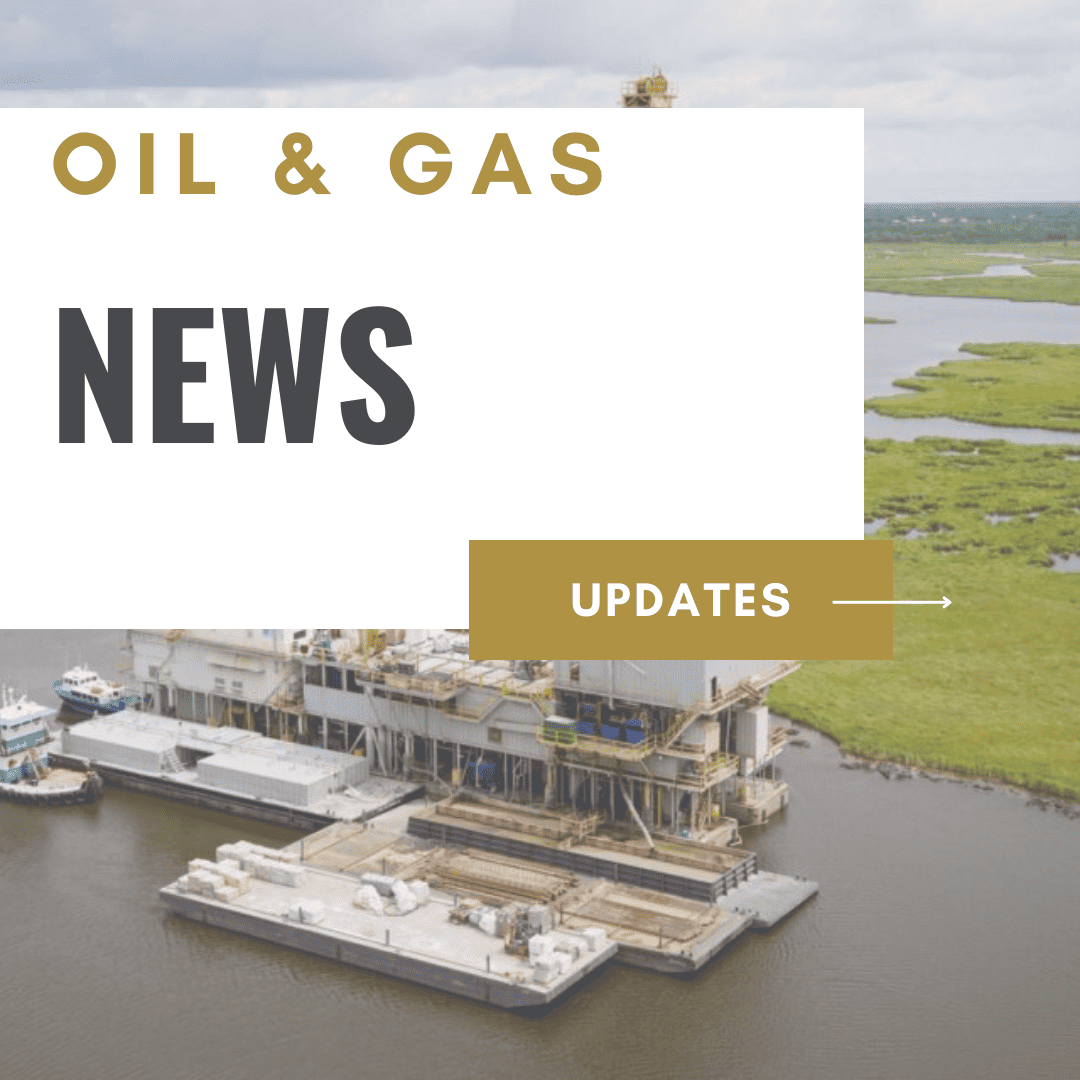
Nigeria's economy saw stagnating growth in the third quarter, according to recent data released on Friday. This underperformance primarily stemmed from a slower contraction in the oil sector, demonstrating the profound impact this crucial industry has on the country's economic health.
1. The growth of Nigeria's economy was stagnant in the third quarter.
2. The primary reason for the underperformance is the slower contraction in the oil sector.
3. The impact of the slower contraction in the oil sector affected other key sectors, leading to a sluggish economy.
4. Besides the oil sector, other industrial sectors also experienced a significant downturn, worsening the economical situation.
5. The current economic scenario highlights the need for quick and effective actions to boost the economy of Nigeria, West Africa's largest economy.
The oil sector in Nigeria, which accounts for approximately 9% of the country's GDP, contracted by 1.13% in the third quarter of 2021 as compared to a 12.65% contraction in the second quarter.
Nigeria's economic graph maintained a stagnant growth in the third quarter. The data released on Friday painted a grim picture attributing the static growth rate to a slower contraction in the oil sector. The impact of this slower contraction reverberated throughout other key sectors and induced an overall sluggish performance in the country’s economy. Besides the oil sector, other industrial areas also witnessed a significant tumble adding to the economic woes of the nation. This dire economic situation underscores the need for swift and effective measures to jumpstart the sputtering economic engine of West Africa's largest economy.