
Investing in oil wells can be a lucrative opportunity for those looking to diversify their portfolio or earn passive income. However, buying an oil well takes much more than simply writing a check. The process is complex and involves many factors that can affect the potential profitability of the investment. In this post, we'll explore the steps you need to take to buy oil wells and tips to maximize your return on investment.
1. Investing in oil wells can be a lucrative opportunity for investors looking to diversify their portfolio or earn passive income.
2. The process of buying an oil well is complex and requires more than just writing a check.
3. It is important to educate yourself on the different types of oil wells available and familiarize yourself with industry terminology.
4. Understanding the risks and potential rewards associated with investing in oil wells is crucial due to the market volatility.
5. Identifying potential opportunities and assessing their potential for profitability is a key step in buying oil wells.
Investing in oil wells has an average ROI of 12-15% per year.
If you're considering investing in oil wells, it's important to first educate yourself on the process. Research the different types of oil wells available and familiarize yourself with the terminology used in the industry. Additionally, take the time to understand the risks and potential rewards associated with investing in oil wells, as the market can be volatile. Once you have a clear understanding, you can start identifying potential opportunities and assessing their potential for profitability.
Direct oil investment is one of the most lucrative investments in the world today. With the ever-increasing demand for fossil fuels and the limited supply of oil, there is a huge potential for investors to make significant returns on their investment. However, investing in oil requires careful consideration and thorough research to ensure that you make informed decisions and minimize your risks. In this post, we will explore the basics of oil investment, including what it is, how it works, and what you should know before investing.
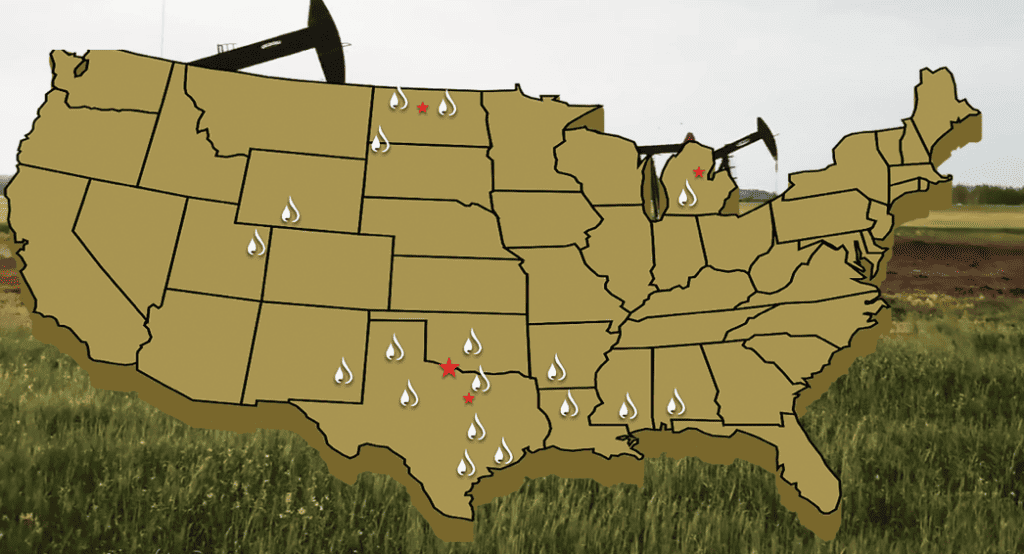
Direct Oil Investment USA Map
The oil and gas industry remains an undeniable cornerstone of the global economy, serving as the primary fuel source that powers nations and industries. Its significance cannot be overstated, as it propels economic growth and sustains countless livelihoods worldwide. From the exploration of natural gas to the intricate web of crude oil production and distribution, this capital-intensive industry operates at the forefront of global economic activities.
Throughout the industry's evolution, a close nexus between crude oil and natural gas has persisted. This symbiotic relationship stems from the intricacies of the production process and the upstream aspects of the business.
Recent geopolitical events and ongoing global crises have injected volatility into the market. For instance, the invasion of Ukraine by Russia on February 24th sent shockwaves through the oil and gas markets, resulting in sharp fluctuations in prices. Moreover, the persistent grip of the pandemic continues to reverberate, leaving investors in the oil and gas sector pondering the future of their investments.
This comprehensive guide aims to unravel the mysteries of oil and gas investments, providing valuable insights into the industry's dynamics and the investment opportunities it holds. It also delves into the diverse avenues for investing and highlights some of the top-performing oil and gas stocks in the market. So, if you're seeking to navigate the complex terrain of oil and gas investments, read on to equip yourself with the knowledge you need!
If the prospect of investing in oil and gas wells piques your interest, there are numerous avenues you can explore. Here's a breakdown of some investment options:
Investors can engage in speculative trades by purchasing oil futures contracts. These contracts involve trading a specific number of crude oil barrels at a predetermined price on a set date in the future. Although this indirect investment option requires a margin payment, it offers a chance to profit from potential fluctuations in oil prices before the contract matures.
Indirect investment avenues such as ETFs and mutual funds offer exposure to the energy sector. These investment vehicles track stocks in oil and gas companies, commodity prices, or crude oil futures contracts, allowing investors to diversify their portfolio.
Equity Direct Participation Programs enable ownership in gas and oil companies, granting access to tax benefits and cash flows. The percentage of ownership corresponds to the equity stake, tying shareholder success to company profitability.
Private placements involve selling bonds or stocks to a limited group of investors rather than on the open stock market. These securities can be acquired directly from issuers or through private placement agents.
Direct Participation Plans offer investors a chance to participate in tax benefits and cash flows. DPP securities are not publicly traded and their value depends on underlying assets' performance. Eligibility criteria vary among different DPPs.
Familiarizing yourself with various types of oil and gas companies is essential before embarking on your investment journey. The industry can be segmented into the following categories:
1. Upstream Companies (Exploration and Production - E&P Companies)
These companies are involved in locating and extracting oil and natural resources. Their high-risk, high-reward nature stems from the extensive efforts required in locating and drilling oil wells.
2. Midstream Companies
Specializing in transporting extracted raw materials to refineries, midstream companies are crucial for linking upstream production to downstream refinement.
3. Downstream Companies
These companies refine crude oil and gas, producing consumer-ready products such as gasoline and heating oil.
4. Integrated Companies
Integrated oil and gas companies handle exploration, production, refinement, and distribution, streamlining operations across multiple sectors.
5. Oil Field Service Companies
These companies offer support services and equipment for drilling, well construction, and other oilfield activities.
Indeed, oil and gas investments present lucrative opportunities, particularly for long-term investors. The industry's consistent growth and the sustained demand for fossil fuels provide a favorable environment to invest in oil for generating stable income and returns.
While potential gains are enticing, it's crucial to acknowledge and understand the risks associated with oil and gas investments, in particular direct oil investment:
Oil prices can experience substantial fluctuations, impacting production costs and profits.
The ability to convert oil and gas securities into cash quickly can be hindered by market uncertainties.
Oil and gas investments can present unique liquidity challenges due to the inherent characteristics of the industry:
While oil and gas investments may have inherent liquidity challenges, there are strategies investors can employ to manage liquidity risks:
Oil spills pose environmental threats, leading to cleanup costs and potential legal liabilities. Major news has covered a variety of oil industry related disasters, often with a jaded spin. Understanding and mitigating embedded environmental risks is essential to successful direct oil investments!
The operation of heavy machinery introduces the risk of fires and explosions. This is inherent in any industry involving heavy loads and physical force in the production cycle.
Estimating hydrocarbon reserves carries economic and political uncertainties that can impact profitability.
Hydrocarbon reserves refer to the amount of oil and natural gas that can be technically and economically recovered from a particular field. These reserves are categorized into three main classifications:
The oil and gas industry remains a thriving landscape of investment opportunities, catering to various risk appetites and financial capabilities. Whether you're considering direct ownership aka, direct oil investment, stock investments, or exploring alternative avenues, it's essential to weigh potential gains against inherent risks. As the energy sector continues to evolve, the demand for fossil fuels persists, ensuring that oil and gas investments retain their place in the investment universe.
Our Current Prospect Offering = https://newhorizonoilandgas.com/mando-project/
Remember, knowledge and cautious decision-making are your allies as you embark on your oil and gas investment journey.
1. Direct oil investment is one of the most lucrative investments in the world today due to the ever-increasing demand for fossil fuels and limited oil supply.
2. The advancements in technology have made extraction and drilling processes in the oil industry more efficient and cost-effective, making direct oil investment an attractive option.
3. Thorough research and understanding of the risks involved are crucial before investing in oil, as factors such as market volatility and geopolitical factors can impact oil prices and profitability.
4. Consulting with financial advisors and experts who specialize in the oil sector can provide guidance and help develop a successful investment strategy.
5. Direct oil investment can lead to substantial returns on investment, but careful consideration and informed decisions are necessary to minimize risks.
Global oil demand is expected to reach 101.6 million barrels per day by 2023.
Direct oil investment is a lucrative opportunity that many investors are considering. With the constant demand for oil globally, investing directly in the oil industry can lead to substantial returns on investment. However, it is important to thoroughly research and understand the risks involved before diving into this industry. From market volatility to geopolitical factors, there are various factors that can impact oil prices and ultimately affect the profitability of direct oil investments. Therefore, it is crucial to consult with financial advisors and experts who can provide guidance and help plan a successful investment strategy in the oil sector.
As the world becomes more dependent on oil as a primary source of energy, the price of this precious commodity becomes a crucial consideration for multiple industries. With growing economies and ever-increasing energy demands, people are wondering what the price of oil in August 2023 will be. Despite the fact that no one can accurately predict the future value of this resource, there are some factors that can offer valuable insights into potential trends. In this post, we'll take a closer look at what's driving the oil market and what factors might impact oil prices over the coming years.
1. The world's increasing dependence on oil as a primary source of energy is driving the importance of considering the price of this commodity for multiple industries.
2. Various factors, such as geopolitical tensions, environmental regulations, and the transition towards renewable energy sources, will contribute to a significant fluctuation in the price of oil in August 2023.
3. The demand for oil may decline as countries strive to reduce their carbon footprint and adopt cleaner technologies, leading to a decrease in its price.
4. Political unrest and conflicts in oil-producing regions have the potential to disrupt the supply of oil, resulting in a potential rise in oil prices.
5. Accurately predicting the exact price of oil in August 2023 is challenging, but it is crucial for investors and stakeholders in the energy sector to closely monitor the dynamic factors at play and make informed decisions.
Global oil demand is projected to rise by 6.7 million barrels per day from 2019 to 2023, reaching a total of 105.9 million barrels per day.
In August 2023, the price of oil is predicted to experience a significant fluctuation due to various factors influencing the global energy markets. These factors include geopolitical tensions, environmental regulations, and the ongoing transition towards renewable energy sources. As countries strive to reduce their carbon footprint and adopt cleaner technologies, the demand for oil might witness a decline, resulting in a decrease in its price. Simultaneously, political unrest and conflicts in oil-producing regions could disrupt supply, leading to a potential rise in oil prices. With all these dynamic factors at play, accurately predicting the exact price of oil in August 2023 is challenging, but it is crucial for investors and stakeholders to monitor these variables closely to make informed decisions in the energy sector.