
Investing in the oil and gas industry can be an excellent way to grow your wealth over time. However, as with any investment, it's essential to know what tax implications it might have. Luckily, there are several tax advantages associated with investing in this industry that investors can take advantage of to lower their tax bills. In this post, we'll examine some of the tax benefits that come with investing in oil and gas and why they are essential to consider before making any investment decisions.
1. Investing in the oil and gas industry can be a lucrative way to grow wealth over time.
2. It is important to consider the tax implications before making any investment decisions in this industry.
3. There are several tax advantages associated with investing in oil and gas, including tax deductions for expenses related to exploration and development.
4. Investors in the industry may also benefit from depletion allowances and intangible drilling cost deductions.
5. Understanding and taking advantage of these tax benefits can help lower tax bills and increase overall investment returns.
One specific tax benefit of investing in the oil and gas industry is the ability to defer taxes on income from oil and gas wells through the use of depletion allowances.
Yes, there are several tax advantages associated with oil and gas industry investments. One of the main benefits is the availability of tax deductions for certain expenses incurred in the exploration and development of oil and gas properties. These expenses can include costs related to drilling, well preparation, and even the acquisition of mineral rights. Additionally, investors in the oil and gas industry may also benefit from tax breaks such as depletion allowances and intangible drilling cost deductions.
Investing in the oil and gas industry can be an attractive option for many investors. The industry has the potential for high returns, but it also involves significant risks. Therefore, it is crucial to consider several factors before investing in this industry. Factors such as supply and demand, the regulatory environment, production costs, and geopolitical risks are just a few key factors to consider. In this post, we will take a closer look at these factors and help you make a well-informed decision when investing in the oil and gas industry.
1. The oil and gas industry has the potential for high returns but also involves significant risks.
2. Factors such as supply and demand, the regulatory environment, production costs, and geopolitical risks should be considered before investing in this industry.
3. Evaluating the current market conditions and understanding the volatility of the oil and gas industry is crucial.
4. Thoroughly researching the financial health, production capacity, reserves, and management expertise of companies is essential before investing.
5. Considering the environmental and social implications of investing in the oil and gas industry, such as climate change concerns and consumer attitudes towards fossil fuels, is important.
The oil and gas industry accounts for over 60% of the world's energy consumption.
First and foremost, it is crucial to evaluate the current market conditions and understand the volatility of the oil and gas industry. Factors such as supply and demand, geopolitical tensions, and technological advancements can greatly impact the profitability of investments in this sector. Additionally, conducting thorough research on the financial health and track record of the companies you are considering investing in is essential. Examining their production capacity, reserves, and management team's expertise will provide valuable insights into their potential for growth and long-term sustainability. Lastly, it is important to take into account the environmental and social implications of investing in the oil and gas industry, as increasing concerns about climate change and sustainability are shaping the regulatory landscape and consumer attitudes towards fossil fuels.
The oil and gas industry has been a key player in the global economy for decades, making it a market that attracts many investors. There are several ways to invest in this industry, from direct ownership of stocks to buying shares in exchange-traded funds (ETFs). Each option comes with its own set of advantages and disadvantages, so it's important to understand what they entail before making an investment decision. In this post, we'll explore some of the most popular methods for investing in the oil and gas industry.
1. The oil and gas industry has been a significant contributor to the global economy for many years, making it an attractive market for investors.
2. There are various ways to invest in the industry, including investing in stocks of exploration, production, or distribution companies, as well as exchange-traded funds (ETFs) that track the performance of these companies.
3. Direct investments in oil and gas projects, such as drilling operations or pipeline construction, through private partnerships or limited partnerships, can provide potential returns through the extraction and sale of resources.
4. Each investment option has its own advantages and disadvantages, so investors should thoroughly understand them before making a decision.
5. Investing in the oil and gas industry requires an understanding of the market, as well as the risks and opportunities associated with it.
Global oil demand is expected to exceed 100 million barrels per day by 2022.
One popular way to invest in the oil and gas industry is through purchasing stocks of companies involved in exploration, production, or distribution of these resources. Investors can also consider investing in exchange-traded funds (ETFs) that specifically track the performance of oil and gas companies. Another popular option is to invest directly in oil and gas projects, such as drilling operations or pipeline construction, through private partnerships or limited partnerships. These investment opportunities can provide potential returns through the extraction and sale of oil and gas resources.
Investing in the oil and gas industry can be a double-edged sword. On one hand, this industry can offer high returns to investors due to the soaring demand for oil and gas globally. On the other hand, the industry can be unpredictable, and it is fraught with several risks that investors need to consider before making any investment decisions. The risks range from geopolitical tensions, market volatility, environmental regulations, and dependence on fluctuating commodity prices. The question, therefore, is whether investing in the oil and gas sector is worth the risk, given the potential gains and losses.
1. Investing in the oil and gas industry can offer high returns due to soaring global demand.
2. The industry is unpredictable and fraught with risks such as geopolitical tensions, market volatility, environmental regulations, and fluctuating commodity prices.
3. Fluctuations in oil prices can significantly impact the profitability of companies in the industry.
4. Increasing concerns over climate change and stricter regulations could potentially impact the future demand for fossil fuels.
5. Investing in the oil and gas industry requires careful consideration and thorough analysis due to its inherent risks.
The global oil and gas reserves are projected to last for approximately 50.7 years at the current production rate.
Investing in the oil and gas industry can be considered risky due to various factors that are inherent to the sector. First and foremost, the industry is heavily influenced by fluctuations in oil prices, which can be volatile and unpredictable. This price volatility can significantly impact the profitability of companies operating in this industry. Additionally, the oil and gas sector is exposed to environmental and regulatory risks, as increasing concerns over climate change and stricter regulations could potentially impact the demand for fossil fuels in the future. These factors make investing in the oil and gas industry a risky proposition that requires careful consideration and thorough analysis.
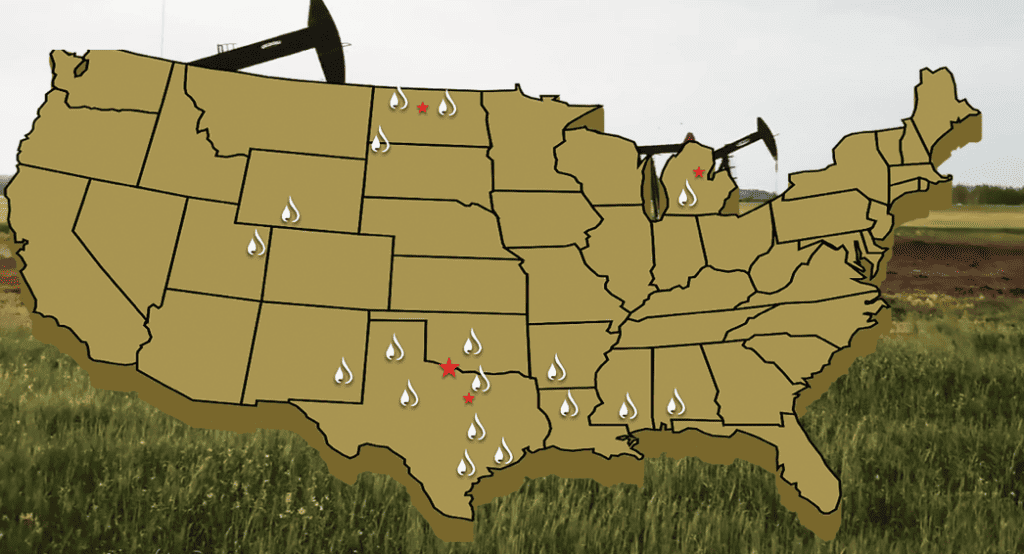
The oil and gas industry has long been a significant player in the global economy, and our experts will breakdown the benefits of investing in Oil and Gas. The fossil fuel industry provides energy to meet the world's increasing demand for power, transportation, and heating. It also creates many job opportunities and generates wealth for investors, governments, and corporations. Despite the increasing popularity of renewable energy sources, the demand for oil and gas is expected to remain high for many years to come, making it an attractive investment option for those looking to diversify their portfolios. In this post, we will explore some of the benefits of investing in the oil and gas industry and how it can provide financial stability and growth.
The allure of investing in the oil and gas industry extends beyond its enduring demand. One of the primary benefits lies in the potential for high returns. Historically, investments in oil and gas have yielded significant profits, especially when market conditions are favorable. Furthermore, this sector offers unique tax incentives, such as deductions on tangible and intangible drilling costs, which can substantially reduce the taxable income of investors. Beyond the financial aspects, investing in oil and gas also means contributing to a sector that is pivotal in global industrial development. Despite the rise of alternative energy sources, oil and gas remain integral to numerous industries, from transportation to manufacturing, ensuring its relevance in the global market. By investing in this sector, individuals not only stand to gain financially but also participate in a critical component of the world’s economic infrastructure.
Investing in the oil and gas industry can be approached through various avenues, each catering to different investment preferences and risk tolerances. For individual investors, one common method is through purchasing stocks of publicly traded oil and gas companies, which allows participation in the industry's profits without direct involvement in operations. Another option is through energy-focused mutual funds or exchange-traded funds (ETFs), which offer diversified exposure to a range of companies within the sector. For those seeking a more direct investment, participating in partnerships or joint ventures in oil and gas projects can be a route, although this often requires a higher capital commitment and a deeper understanding of the industry. Additionally, investing in commodity futures contracts for oil and gas presents an opportunity, albeit with a higher risk due to market volatility. Before making any investment, it's crucial to conduct thorough research or consult with financial advisors to understand the specific risks and opportunities of each investment type within the oil and gas sector.
1. The oil and gas industry has long been a significant player in the global economy.
2. Investing in the industry can provide many benefits, including steady income through dividends and a continuous cash flow.
3. The industry remains stable and resilient during times of economic uncertainty, making it an attractive option for long-term financial security.
4. The demand for oil and gas is expected to remain high for many years, despite the increasing popularity of renewable energy sources.
5. Investing in the oil and gas industry can provide job opportunities and generate wealth for investors, governments, and corporations.
The oil and gas industry accounted for approximately 32% of global energy consumption in 2020.
Investing in the oil and gas industry offers various benefits. Firstly, it provides a steady stream of income through dividends as oil and gas companies often distribute a significant portion of their profits among shareholders. This can be particularly lucrative as the demand for oil and gas remains high, ensuring a continuous cash flow. Additionally, the industry's stability and resilience make it an attractive investment option, especially during times of economic uncertainty. The oil and gas sector has proven to be resilient to market fluctuations and geopolitical tensions, making it a safe haven for investors seeking long-term financial security.
The energy sector is one of the most important and rapidly evolving industries in the world today. From traditional fossil fuel sources such as coal and oil to newer, more sustainable sources like wind and solar, the energy sector is a critical component of modern economies. As the demand for energy continues to grow, investments in this sector are becoming increasingly valuable and important. In this post, we explore some of the key trends and opportunities in energy sector investments and what investors should know before making any decisions.
1. The energy sector is important and rapidly evolving, playing a crucial role in modern economies.
2. Investments in the energy sector are increasing in value and importance as the demand for energy continues to grow.
3. Renewable energy technologies, such as solar and wind power, present new investment opportunities and have the potential to transform energy generation and consumption.
4. Investing in clean energy infrastructure is essential for reducing greenhouse gas emissions and addressing the impacts of climate change.
5. The shift towards a low-carbon economy makes investment in clean energy even more significant.
Renewable energy investments reached a record high of $332.1 billion in 2020, up 2% compared to the previous year, despite the challenges posed by the COVID-19 pandemic.
are crucial for driving economic growth and meeting the demands of a rapidly developing society. The advancements in renewable energy technologies, such as solar and wind power, have opened up new avenues for investment and have the potential to revolutionize the way we generate and consume energy. As the world increasingly shifts towards a low-carbon economy, investment in clean energy infrastructure becomes even more important in order to reduce greenhouse gas emissions and mitigate the impacts of climate change.
Are you interested in investing in oil and gas prospects for the first time? It can be an exciting and potentially lucrative opportunity, but it’s important to approach it with a measured and informed mindset. These industries are complex and constantly evolving, and making a misinformed decision could lead to significant financial losses. In this post, we’ll provide some tips and advice for first-time investors looking to enter the world of oil and gas prospects.
1. Thorough research and seeking professional advice is crucial when investing in oil and gas prospects for the first time.
2. Understanding the factors that affect the industry, such as global supply and demand, geopolitical events, and technological advancements, is important for making informed investment decisions.
3. Evaluating the track record and expertise of the company and management team is essential in assessing the potential risks and returns associated with the investment.
4. Oil and gas industries are complex and constantly evolving, so it's important to approach investments in this area with a measured and informed mindset.
5. Making misinformed decisions when investing in oil and gas prospects can lead to significant financial losses, highlighting the importance of being well-informed before making any investment decisions.
Oil and gas production accounted for 53% of global energy consumption in 2020.
When embarking on your first time investing in oil and gas prospects, it is crucial to conduct thorough research and seek professional advice. Understanding the factors that affect the industry, such as global supply and demand, geopolitical events, and technological advancements, will enable you to make informed investment decisions. Additionally, evaluating the track record and expertise of the company and management team is essential in assessing the potential risks and returns associated with the investment.
Oil and gas exploration is one of the most profitable industries worldwide, making it an attractive investment opportunity for individuals and institutions alike. Investing in oil and gas exploration involves purchasing stocks or bonds of companies involved in oil and gas exploration and production or investing in oil and gas exploration funds or ETFs. With the ever-increasing demand for energy, particularly oil and gas, the potential for significant financial gain from investing in oil and gas exploration is enormous. However, it is important to do adequate research before investing in this industry due to its unpredictability.
1. Oil and gas exploration is a highly profitable industry, making it an attractive investment opportunity for individuals and institutions.
2. Investing in oil and gas exploration can involve purchasing stocks or bonds of companies involved in the industry or investing in funds or ETFs specifically focused on oil and gas exploration.
3. The demand for energy, particularly for oil and gas, is continuously increasing, presenting significant financial gain potential for investors in this sector.
4. Investing in oil and gas exploration not only allows for potential profits from the discovery of new reserves but also contributes to the growth of the energy industry.
5. However, investing in oil and gas exploration carries risks, and it is important to conduct thorough research before making any investment decisions due to the industry's unpredictability.
Global oil and gas exploration expenditures reached $450 billion in 2019.
has always been a lucrative opportunity for investors. With the increasing global demand for energy, there is a constant need for new sources of oil and gas. Investing in oil and gas exploration allows investors to not only profit from the potential discovery of new reserves, but also to contribute to the ever-growing energy industry. However, like any investment, there are risks involved in investing in oil and gas exploration.
The petroleum industry has always been one of the most lucrative and profitable sectors for investors looking to grow their wealth. As the demand for oil and gas continues to rise globally, it presents a unique opportunity for investors to profit from this ever-growing market. Whether you are a seasoned investor or someone just starting out, there are a variety of investment opportunities in the petroleum industry that can help you achieve your financial goals. In this post, we will explore some of the best investment opportunities in the petroleum industry and how you can take advantage of them.
1. The petroleum industry has always been highly lucrative and profitable for investors, making it an attractive sector for wealth growth.
2. The global demand for oil and gas continues to rise, creating a unique opportunity for investors to profit from this ever-growing market.
3. Both traditional sectors, such as exploration and production, and emerging sectors, like renewable energy and carbon capture technologies, offer investment opportunities in the petroleum industry.
4. Investing in the petroleum industry can provide stable and profitable returns for investors while contributing to the global transition towards cleaner and more sustainable energy sources.
5. Whether you are a seasoned investor or just starting out, there are a variety of investment opportunities in the petroleum industry that can help you achieve your financial goals.
The global demand for oil is projected to reach 104.7 million barrels per day by 2023.
include both traditional and emerging sectors. Traditional sectors, such as exploration and production, continue to provide stable and profitable returns for investors. On the other hand, emerging sectors, like renewable energy and carbon capture technologies, offer exciting prospects for those looking to invest in the future of the industry. Investing in the petroleum industry not only promises financial gains, but also contributes to the global transition towards cleaner and more sustainable energy sources.
The oil and gas industry is known to be one of the largest and most important industries in the world, with the constant demand for energy and fuel. As economies grow, the demand for oil and gas does as well. Recently, there has been a spike in new investments within the industry, which is great news for both investors and energy consumers. These investments will help increase production and ensure a steady supply of energy for both industrial and personal use. In this post, we will take a closer look at the new oil and gas industry investments and explore what they mean for the future of the industry.
1. The oil and gas industry is one of the largest and most important industries in the world, driven by the constant demand for energy and fuel.
2. Recent investments in the industry have experienced a spike, which is beneficial for both investors and energy consumers.
3. These investments will increase production and ensure a steady supply of energy for both industrial and personal use.
4. Despite the economic benefits, there is growing concern among environmentalists and activists about the long-term impact of these investments on climate change and local ecosystems.
5. As discussions around sustainable energy and reducing reliance on fossil fuels gain traction, the role and future of oil and gas industry investments are under close scrutiny.
Global investment in the oil and gas industry is expected to reach $660 billion by 2025, according to a report by Wood Mackenzie.
have been touted as crucial for economic growth and energy security in many countries. However, there is a growing concern among environmentalists and activists about the long-term impact of these investments on climate change and local ecosystems. While the industry argues that it implements various measures to mitigate environmental risks, critics argue that the oil and gas sector's contribution to greenhouse gas emissions cannot be adequately offset by such measures. As discussions around sustainable energy and reducing reliance on fossil fuels gain traction, the role and future of oil and gas industry investments are being closely scrutinized.