
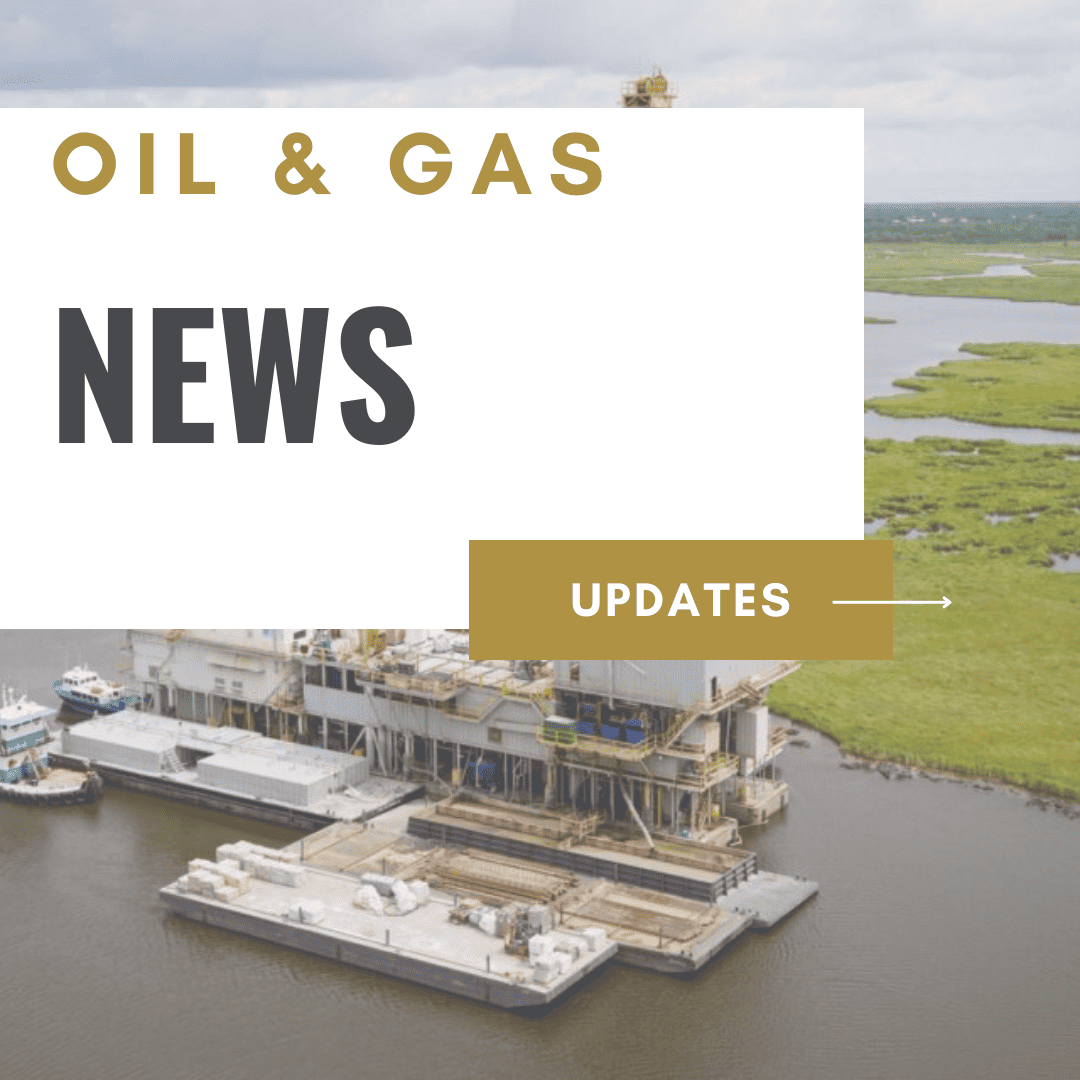
It's been two years since the Petroleum Industry Act (PIA) was signed into law, with high hopes pegged on the potential benefits it could bring to Nigeria's oil and gas sector, and by extension, the economy. Amidst the backdrop of global energy trends and economic shifts, we take a closer look at the projected gains this act was supposed to yield and examine how far along we are in achieving them.
1. The Petroleum Industry Act (PIA) was signed into law two years ago with high expectations for Nigeria's oil and gas sector and economy.
2. The enactment of the PIA, providing a legal, fiscal, and governance structure, marked a significant achievement for Nigeria.
3. The PIA aimed to enhance transparency and stimulate the expansion of the oil industry.
4. The act was also intended to attract potential foreign investments.
5. Despite being implemented two years ago, there are ongoing discussions on its impact on Nigeria's economy and the oil and gas industry.
According to Nigeria's Ministry of Petroleum Resources, the estimated revenue from the Petroleum Industry Act is projected to be about $1.5 billion annually by 2023.
The enactment of the Petroleum Industry Act (PIA) was a major milestone for the country. The act was lawfully designed to provide a legal, fiscal and governance framework for the Nigerian petroleum industry. The goal was to increase transparency, stimulate growth and expansion of the oil sector. Furthermore, it sought to drive up potential foreign investments. However, since it's implementation two years ago, the primary question has always been about its impact on Nigeria's economy and the overall oil and gas sector.