
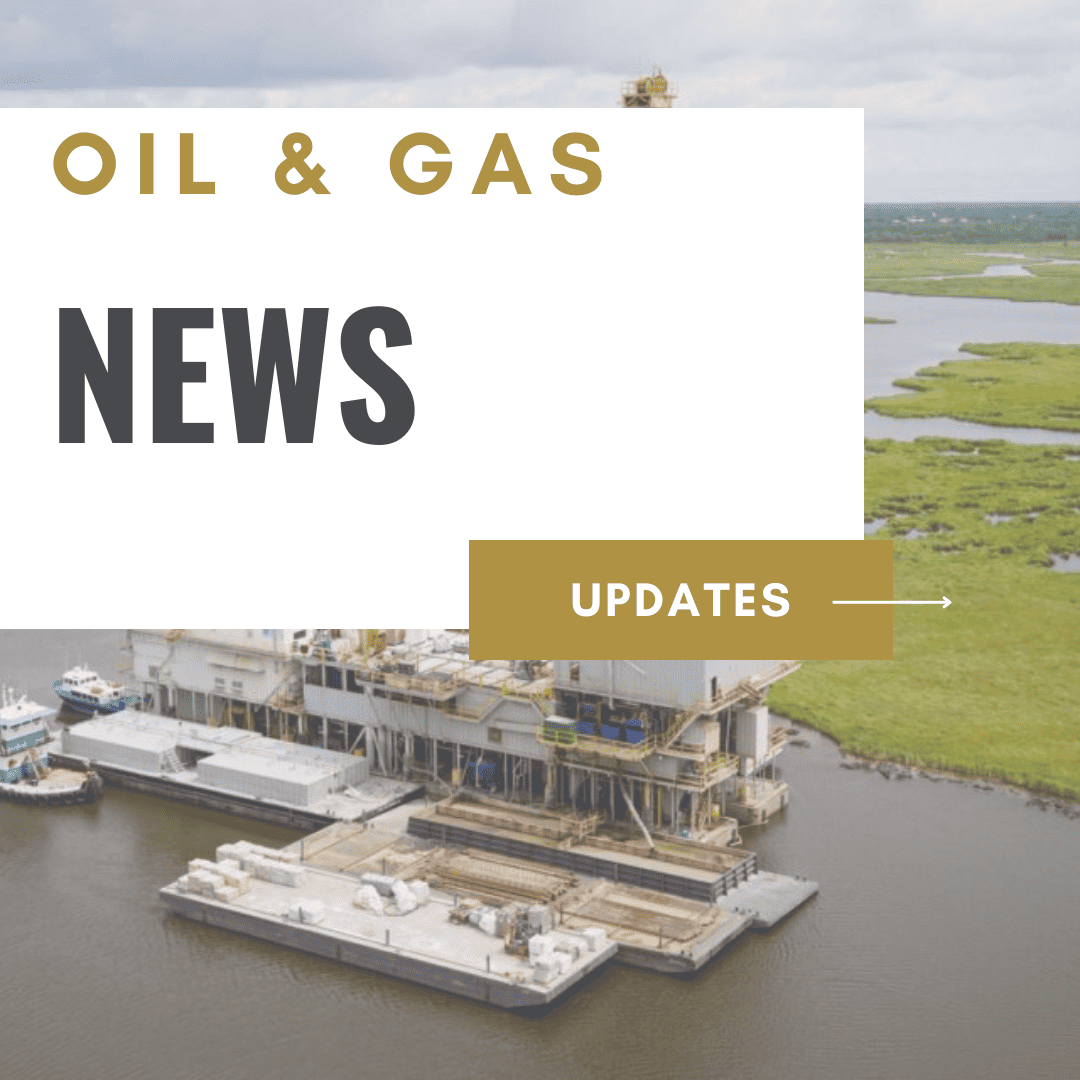
According to new data released by the Canadian Climate Institute, emissions from both the oil and gas industry as well as buildings in the country continued to rise in the previous year. This alarming trend could have significant negative consequences for the environment and the fight against climate change. As Canada grapples with how to reduce its carbon footprint, these latest figures underscore the urgent need for action and demonstrate the daunting challenges that lie ahead.
1. Emissions from the oil and gas industry and buildings in Canada have continued to increase, according to new data from the Canadian Climate Institute.
2. The rise in emissions from these sectors poses significant negative consequences for the environment and hampers efforts to combat climate change.
3. These findings emphasize the pressing need for immediate action to reduce Canada's carbon footprint.
4. The report highlights the alarming increase in carbon dioxide and other harmful pollutants from the oil and gas industry and buildings, despite international efforts to reduce greenhouse gas emissions.
5. Stronger regulations and sustainable practices are urgently required within these industries to mitigate their environmental impact.
Emissions from the oil and gas industry in Canada increased by 3.7% in 2020, reaching a total of 195 megatonnes of CO2 equivalent.
New data from the Canadian Climate Institute shows that emissions from the oil and gas industry and buildings continued to climb in the previous year. Despite international efforts to reduce greenhouse gas emissions, the report highlights that these sectors experienced a worrying increase in carbon dioxide and other harmful pollutants. The findings shed light on the urgent need for stronger regulations and sustainable practices within these industries to curb the environmental impact caused by their activities.