
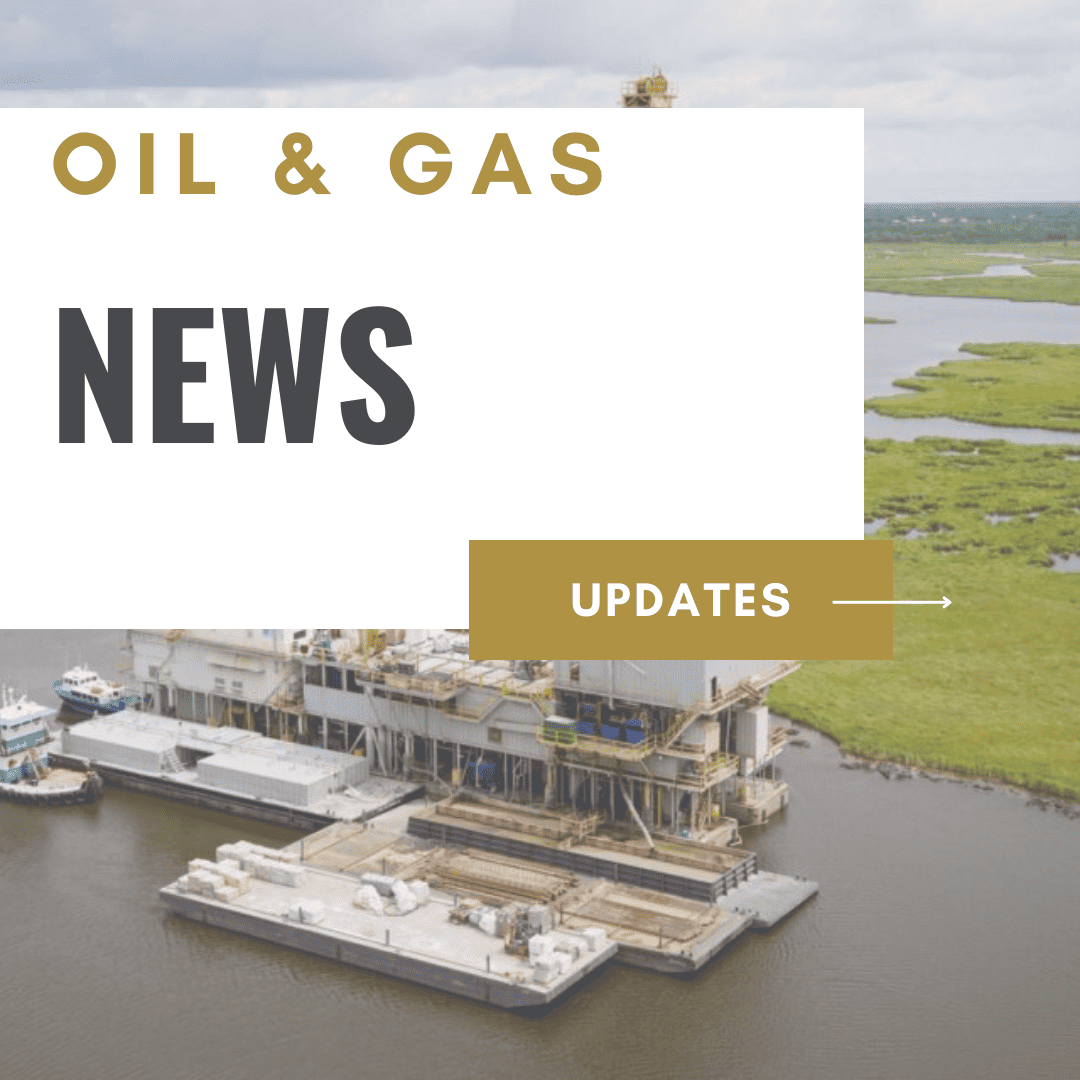
The future of offshore drilling in the Gulf of Mexico seems uncertain as the government's leasing program reveals the fewest sales of oil and gas leases since its inception. The charts for the years 2025, 2027, and 2029 show a significant dip in leasing activity, indicating a decline in the demand for drilling opportunities in the region. This development raises questions about the future of the industry and the impact it could have on the economy and the environment.
1. The government's leasing program for offshore drilling in the Gulf of Mexico has seen a significant decline in sales of oil and gas leases in recent years.
2. This decline in leasing activity suggests a decrease in demand for drilling opportunities in the region, raising uncertainty about the future of offshore drilling in the Gulf.
3. Concerns have been raised about the potential impact of offshore drilling on the environment, particularly on marine life and the already fragile ecosystem of the Gulf.
4. The leasing program has sparked a debate among industry experts and stakeholders, with some arguing for its importance in economic growth and energy independence, while others advocate for more sustainable and renewable energy options.
5. The reduced number of leases and the potential consequences of this decision have led to passionate discussions and calls for a reevaluation of current energy policies.
In 2027, there were only 1,182 oil and gas leases sold in the Gulf of Mexico, marking a 75% decrease compared to the previous year.
issuing them in the 1950s. This decision has raised concerns among environmentalists who worry about the potential impact on marine life and the already fragile ecosystem of the Gulf. Additionally, it has sparked a debate among industry experts and stakeholders, with some arguing that the leasing program is essential for economic growth and energy independence, while others advocate for more sustainable and renewable energy options. The reduced number of leases and the potential consequences of this decision have ignited passionate discussions and calls for a reevaluation of our current energy policies.